



The Living Tradition of the Mastihohoria
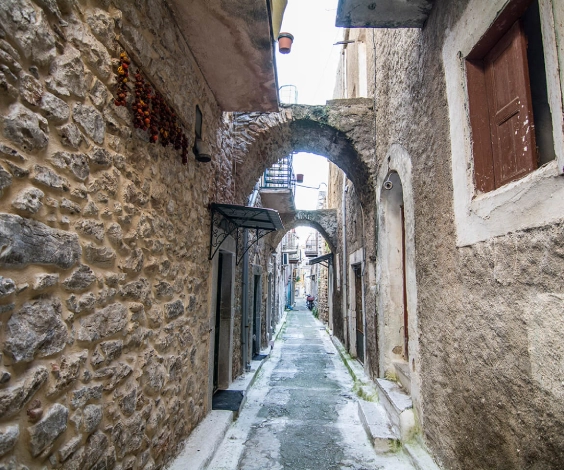
OLYMPOI, Greece — When the sun sets, the grandmothers of Mastichochoria, the 24 mastic-producing villages of southern Chios, sit in plastic chairs outside their stone houses, watching everyone who comes and goes.
As a boy who spent his summers on the island, my partner Andreas was always afraid of them. Dressed all in black, these wizened women guard their streets like sphinxes, detaining children and foreigners with their endless questions: “Who are you? What are you doing here? Where are you from? Who are your parents?”
Two of these curious old women apprehended me one evening while I was waiting to meet a friend, and after the usual, well-intentioned interrogation, they asked if I knew the story of
Agios Isidoros, patron saint of the mastic tree (Pistacia lentiscus var. chia, or schínos in Greek).
Isidoros served as a Roman naval officer on Chios around 250 CE. After confessing his Christian faith to Admiral Numerius, he was tortured and beheaded before a schínos tree, which received its share of blows.
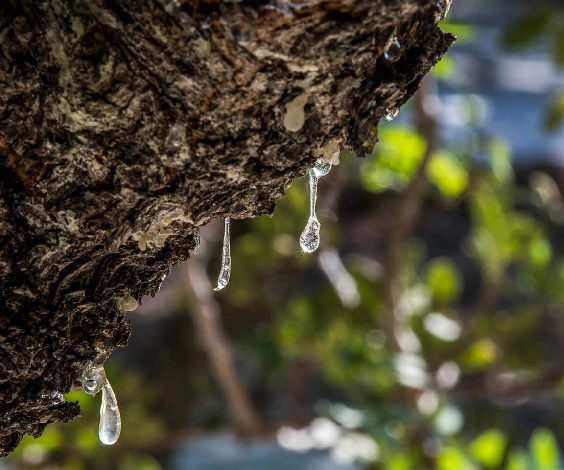
Legend has it that the saint’s martyrdom caused the tree’s wounds to weep, yielding the first mastic “tears.” Though the tree grows throughout the Mediterranean, it produces this thick, aromatic resin — the “miracle” of Agios Isidoros — only in southern Chios.
The exact reason for this site specificity is unknown, but scientists attribute it to three factors: a unique microclimate characterized by mild winters and hot, arid summers; centuries of selective propagation privileging the trees that created the best quality resin; and organized commercial exploitation since the Middle Ages, especially during Genoese rule in the 14th century.
Mastic’s unique flavor and health benefits have been recognized since antiquity. In 77 CE, the Greek physician and pharmacologist Pedanius Dioscorides wrote in De Materia Medica that mastic was “good for the stomach,” useful in cleansing the face and promoting “skin radiance.”
Today, mastiha is used in health and beauty products, perfumes, incense, cooking, and chewing gum, with roughly
85 percent of production exported to countries around the world.
Chios mastic, often called the “white gold of Greece,” is a
Protected Designation of Origin product in the European Union and was inscribed on UNESCO’s
Representative List of the Intangible Cultural Heritage of Humanity in 2014.
Summer as a Mastic Producer
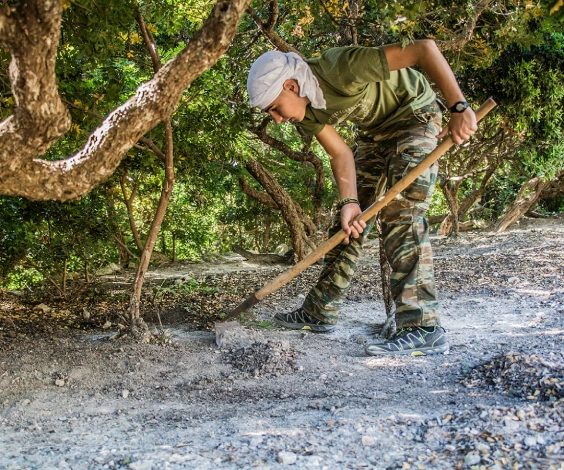
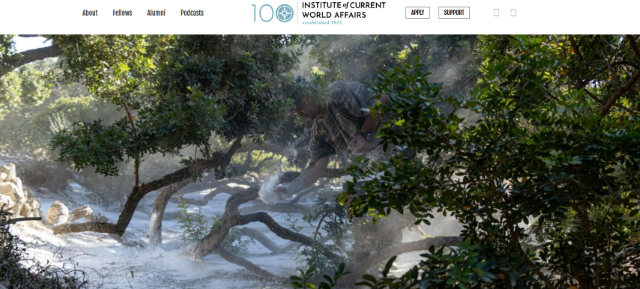
Mastic cultivation is a family affair, passed from one generation to the next. Growers spend the summer months preparing the “table” beneath each tree, embroidering the bark with careful incisions, and collecting the crystallized resin before sunrise while the tears remain hard and clean.
The process is deeply physical and demands patience, precision, and care. Producers can visit a single tree more than a dozen times during one cultivation season, balancing weather conditions, timing, and the needs of each individual tree.
Throughout the villages of southern Chios, the rhythms of life continue to move alongside the rhythms of the mastiha harvest. Families work side by side in the fields, while stories, traditions, and knowledge are quietly passed from one generation to the next.
Climate Challenges and the Future of Cultivation
Today, mastiha producers face growing challenges from climate change, including unseasonal rain, extreme heat, and devastating wildfires that threaten both production and the future of the cultivation itself.
At the same time, younger generations are returning to the fields, supported by new educational programs, modern propagation techniques, and initiatives designed to preserve the biodiversity and long-term sustainability of the mastiha tree.
Sharing the Experience of Mastiha
The article also features Mastiha Roots and the idea of connecting people around the world with the mastiha trees of Chios through adoption.
Through the initiative, adopters receive updates about the cultivation process, stories from the island, and a deeper connection to the people and traditions behind each tear of mastiha.
Walking through fields where names from dozens of countries hang from the branches, the groves become a reminder that mastiha continues to connect people across cultures, languages, and borders — all through a cultivation found nowhere else in the world.


